
Humans have been traveling over land for survival, trade, science, and sheer curiosity since… forever. “Overlanding,” as we use the term today (vehicle-supported, self-reliant travel where the journey is the goal), grew from ancient foot migrations and caravan routes, took on a specific meaning in Australia, and reemerged globally with mid-20th-century expeditions, the Camel Trophy era, and—most recently—a pandemic-era boom in outdoor travel. (Overland Journal)

Deep Roots: Walking Out of Africa
Long before wheels, engines, or rooftop tents, our species migrated on foot. Some evidence points to modern humans leaving Africa roughly 60,000–90,000 years ago, dispersing across the globe in waves shaped by war, climate and opportunity. (National Geographic Education)
- Explore more: National Geographic on Out-of-Africa migration. (National Geographic Education)
- Smithsonian resources summarize how walking upright, endurance travel, and adaptation defined early journeys. (Human Origins)
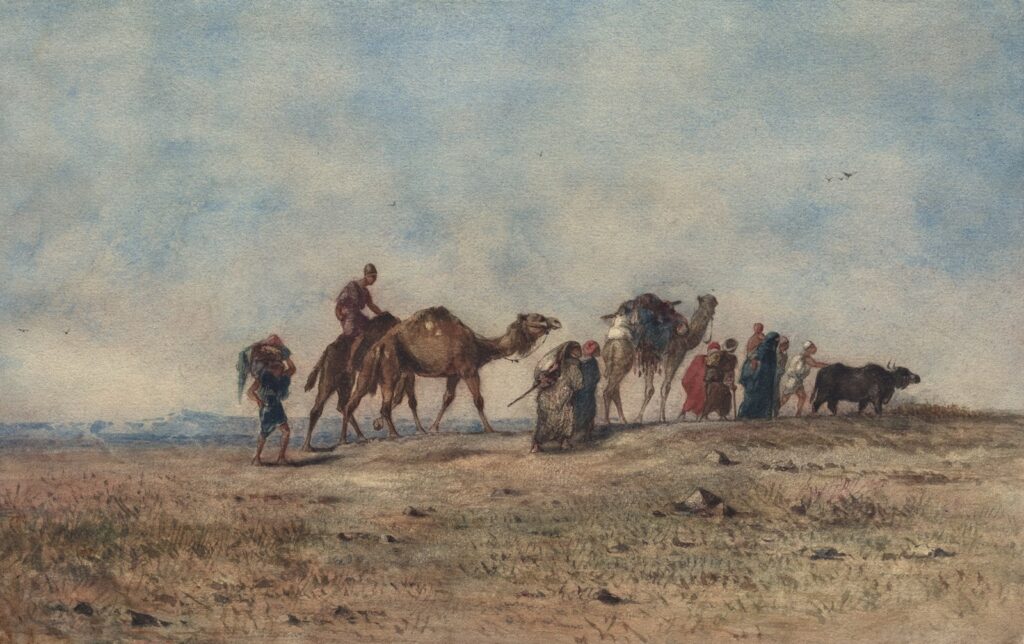
Ancient Over-Land Commerce: Silk Roads and Sahara Caravans
As societies formed, land-based trade networks stitched continents together:
- Silk Road(s): A 4,000-mile web linking China and the Mediterranean carried goods, ideas, and diseases; think silk, spices, Buddhism—and occasionally the plague. (Encyclopedia Britannica)
Learn more: Britannica: Silk Road. (Encyclopedia Britannica) - Trans-Saharan caravans: Camel trains moved salt, gold, and people across brutal desert distances—some caravans counted 10,000–20,000 camels. (Encyclopedia Britannica)
Dive in: Britannica: Caravans. (Encyclopedia Britannica)
These were not “overlanding” in today’s hobby sense, but they showed what land travel can accomplish: connection, exchange, and cultural mixing.

North American Exploration (Horseback & On Foot)
- Hernando de Soto (1539–1542): Led a violent, arduous expedition through today’s Southeast U.S., dying near the Mississippi River. (National Park Service)
Read: NPS on De Soto. (National Park Service) - Lewis & Clark (1804–1806): The Corps of Discovery traveled 8,000+ miles overland and by river to the Pacific and back, changing U.S. science and history—and disrupting Native lives. (National Park Service)
Start here: NPS: Lewis & Clark National Historic Trail. (National Park Service)

Wagon Trains & Big Moves West
- Oregon Trail: Millions of ruts still mark a route that began as Indigenous footpaths, then became a 2,000-mile wagon road west. (NPS History)
NPS: Oregon National Historic Trail. (National Park Service) - Mormon Pioneer Trail (1846–47): A 1,300-mile migration to the Salt Lake Valley; designated a National Historic Trail in 1978. (National Park Service)
- California Gold Rush (1848–1855): Triggered one of the largest overland migrations in U.S. history. More than 300,000 fortune-seekers, entrepreneurs, and families traveled by wagon, horseback, and foot along routes such as the California Trail and Old Spanish Trail—creating entire boomtowns and reshaping the West.
NPS: California National Historic Trail

Human-Powered Epics: Bicycle & Early Motorcycle
- Thomas Stevens (1884–86): First to bicycle around the world—on a penny-farthing. (Wikipedia)
- George A. Wyman (1903): First motor vehicle crossing of the U.S. (by motor-bicycle), 51 days SF→NYC—weeks before the first automobile crossing. (Hall of Fame Motorcycle Museum)

The Motorcar Era Begins
- Horatio Nelson Jackson (1903): First U.S. cross-country drive by car (a Winton). (National Museum of American History)
- New York→Paris Race (1908): A 169-day, globe-spanning ordeal that proved automobiles’ potential for true overland travel. (Wikipedia)
“Overlanding” Gets Its Name: Australian Roots
Historically in Australia, “overlanding” meant driving livestock over vast distances; routes like the Canning Stock Route and surveyor Len Beadell’s outback roads (e.g., Gunbarrel Highway) are legendary to this day. (Overland Journal)
Further reading:
- National Museum of Australia: Len Beadell. (Wikipedia)
- Australian Gov: Canning Stock Route. (Overland Journal)
Mid-Century Expeditions Light the Spark
- “First Overland” (1955–56): Six Oxford/Cambridge students drove two Land Rovers London→Singapore, documented in Tim Slessor’s classic book. (landrover)
See: Land Rover: The Impossible Journey. (landrover) - Hippie Trail (1960s–70s): Overland travelers bused and trucked between Europe and South Asia, popularizing long-haul land travel to a wider public. (Tread Lightly!)

The Camel Trophy Era (1980–2000)
Part expedition, part competition, Camel Trophy sent amateur teams into the world’s roughest terrain—often in identically prepared Land Rovers—testing navigation, endurance, and teamwork. It’s a huge chapter in modern overlanding culture. (Land Rover Media)
- Look back: JLR/ Land Rover Classic. (Land Rover Media)
Defining Today’s Term
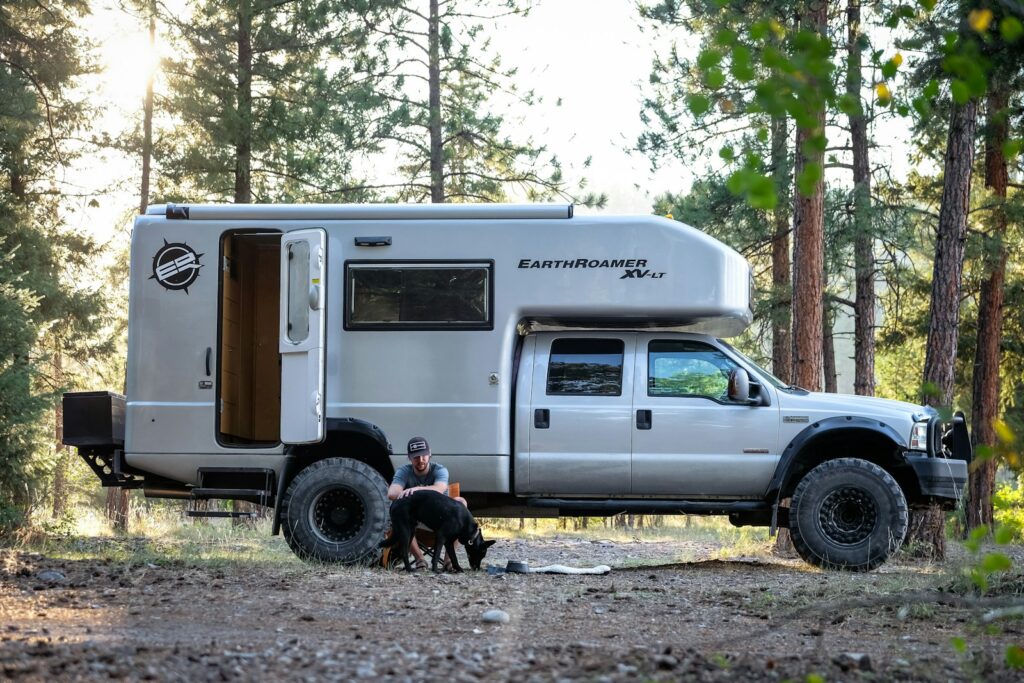
The most cited modern definition comes via Overland Journal founder Scott Brady: self-reliant adventure travel to remote destinations where the journey is the primary goal—typically vehicle-supported, often camping, and often across borders. (Overland Journal)
Reference: Overland Journal: What is Overlanding?. (Overland Journal)
The U.S. Resurgence: Media, Community, and Industry
- Overland Expo (founded 2009): Grew from a niche training/gathering into a national series with tens of thousands of attendees, hundreds of classes, and major OEMs. (Outdoor Industry Association)
Learn more: Overland Expo: History. (Overland Expo®) - Storytelling boom: YouTube series like Expedition Overland (XOVERLAND) popularized vehicle-based adventure for a new generation. (YouTube)
The Pandemic Bump (2020–2022)
When travel went sideways, Americans headed outside. Multiple data sources show:
- Outdoor participation hit record levels—53% of Americans got outside in 2020. (Outdoor Recreation)
- Camping & RVing surged; 10.1M first-time campers in 2020 and record 600,240 RV shipments in 2021. (RVIA)
Sources: KOA: Camping & Outdoor Hospitality Report, RV Industry Association. (KOA) - As a result, all RV styles, rigs and destinations saw significant participation “bumps” along with upto 40% sales growth in new and used RV and related equipment and gear.
The Community Today: Skills, Storytelling, and events
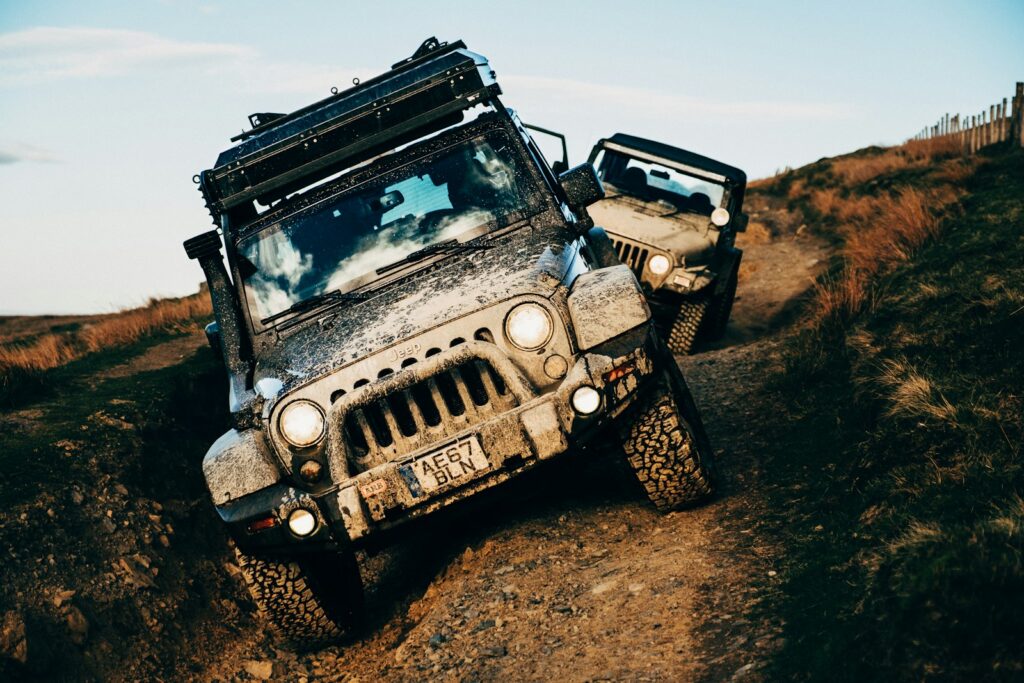
Modern overlanding has evolved into a global community that blends traditional field skills with digital-age connectivity. For beginners, that means you’re not alone—there’s a deep network of teachers, storytellers, events, and brands ready to help you get started
Skills & Training
• Recovery, first aid, navigation, and campcraft remain the foundation. Many local off-road clubs and Overland Expo workshops provide hands-on instruction and mentorship.
• Online courses and video series now make it easier than ever to learn knot-tying, winching, or wilderness medicine before you hit the trail.
Influencers & Storytellers
• Expedition Overland (XOVERLAND) combines cinematic storytelling with real-world, family-based travel.
• Scott Brady and the team at Expedition Portal continue to lead thoughtful, research-driven discussions on responsible exploration.
• Independent creators such as Lifestyle Overland and Venture2Roam make overlanding approachable for everyday adventurers.
Publications & Media Hubs
• Overland Journal remains the gold-standard print publication for long-form stories, in-depth gear reviews, and field reports.
• Tread Magazine blends rig culture, gear features, and lifestyle coverage aimed at new readers.
• Expedition Portal hosts decades of forums, vehicle builds, technical guides, and route discussions.
Events & Gatherings
• Overland Expo anchors the North-American calendar with regional shows that mix classes, skills areas, and a massive vendor village.
• Grassroots rallys, campouts and meet-ups like Rigs & Coffee and local trail clean-up days connect the community at a personal level. Most of these events organize and promote on Facebook and Instagram and are often hosted by brands and local businesses that provide install services, equipment and gear.
Ethics & Stewardship
• With growth comes responsibility. Tread Lightly! champions “Leave No Trace” principles for motorized recreation and helps keep public-land access open.
• Most influencers and publications now weave stewardship reminders into their content—proof that respect for the land is as central to overlanding as rigs and gear.
Bottom Line for Newcomers
The overlanding community is vibrant and accessible. Whether you flip through Overland Journal, explore discussions on Expedition Portal, or watch a few episodes from XOVERLAND, you’ll quickly find guidance, camaraderie, and inspiration to help you chart your own road unpaved.
Timeline Highlights
- 60–90k years ago: Humans migrate out of Africa. (National Geographic Education)
- Antiquity–1400s: Silk Roads and Sahara caravans knit continents. (Encyclopedia Britannica)
- 1539–1542: De Soto roams the Southeast U.S. (National Park Service)
- 1804–1806: Lewis & Clark to the Pacific. (National Park Service)
- 1840s: Oregon & Mormon Trails. (National Park Service)
- 1884–86: Thomas Stevens cycles around the world. (Wikipedia)
- 1903: Wyman (motor-bicycle) & Horatio Jackson (automobile) cross the U.S. (Hall of Fame Motorcycle Museum)
- 1955–56: “First Overland” London→Singapore by Land Rover. (landrover)
- 1980–2000: Camel Trophy era. (Wikipedia)
- 2009→today: Overland Expo, YouTube storytelling, tech & gear explosion. (Outdoor Industry Association)
- 2020–2021: Pandemic surge in outdoor participation and RV shipments. (Outdoor Recreation)
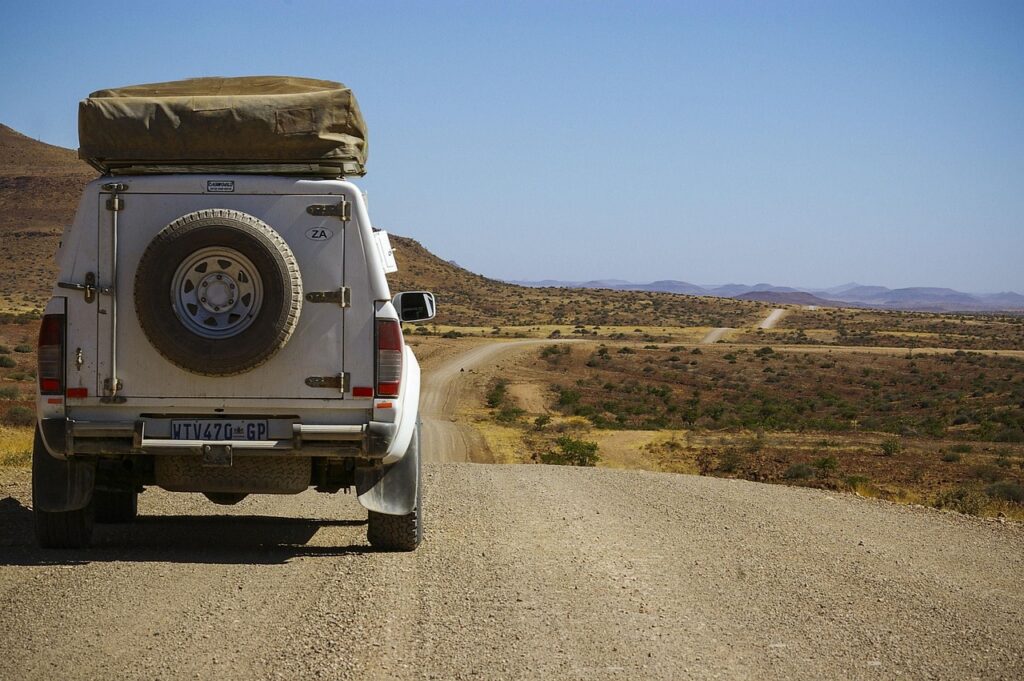
Where to Learn More
- Definition & best practices: Overland Journal. (Overland Journal)
- Overland skills & ethics: Tread Lightly!. (Wikipedia)
- Community & training: Overland Expo. (Overland Expo®)
- Historic inspiration: Land Rover: First Overland and Camel Trophy archive. (landrover)
Bottom line
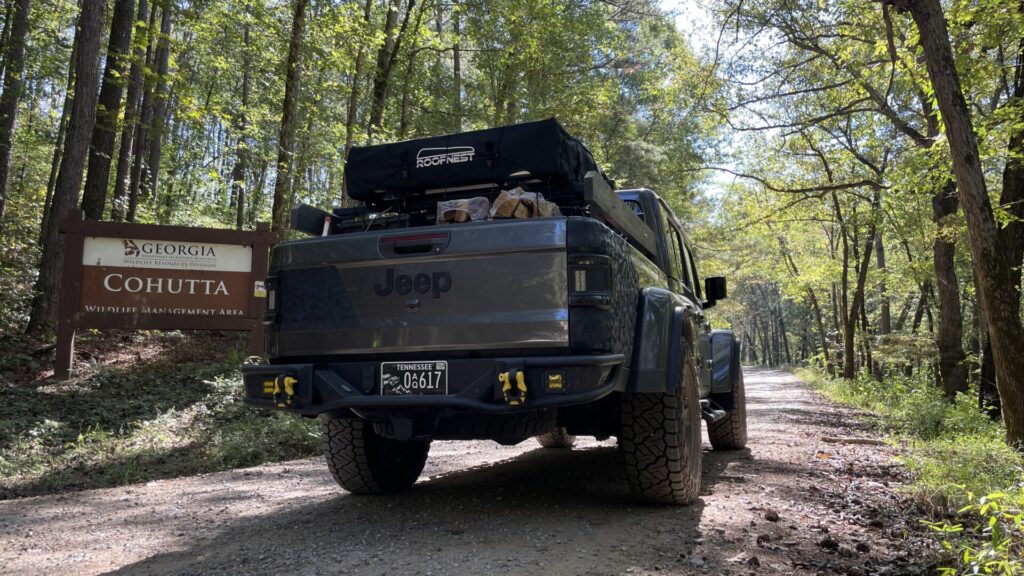
Overlanding today is as much about mindset—curiosity, resilience, and respect—as it is about gear. Start small, learn continuously, leave places better than you found them, and let the journey be the reward. When you eventually trace your finger across a map—whether for a state-line crossing or an intercontinental route—you’ll be part of a story that began thousands of years ago, on foot.
Here’s to the road unpaved! – Doug
Read “Overlanding 411 // Part 1: What Is Overlanding?“
Research Overlanding the South