

For new overlanders, especially first-timers heading out into the backcountry or taking multi-state adventures, one of the most common questions is simple: Do I really need a powered refrigerator, or will a good cooler get the job done?
The short answer: Both work. The right choice depends entirely on how you travel, how often you move, and how much effort you’re willing to tolerate. What follows is a clear, real-world breakdown to help you choose confidently for trips lasting up to three days off-grid.
The Case for a High-Quality Cooler
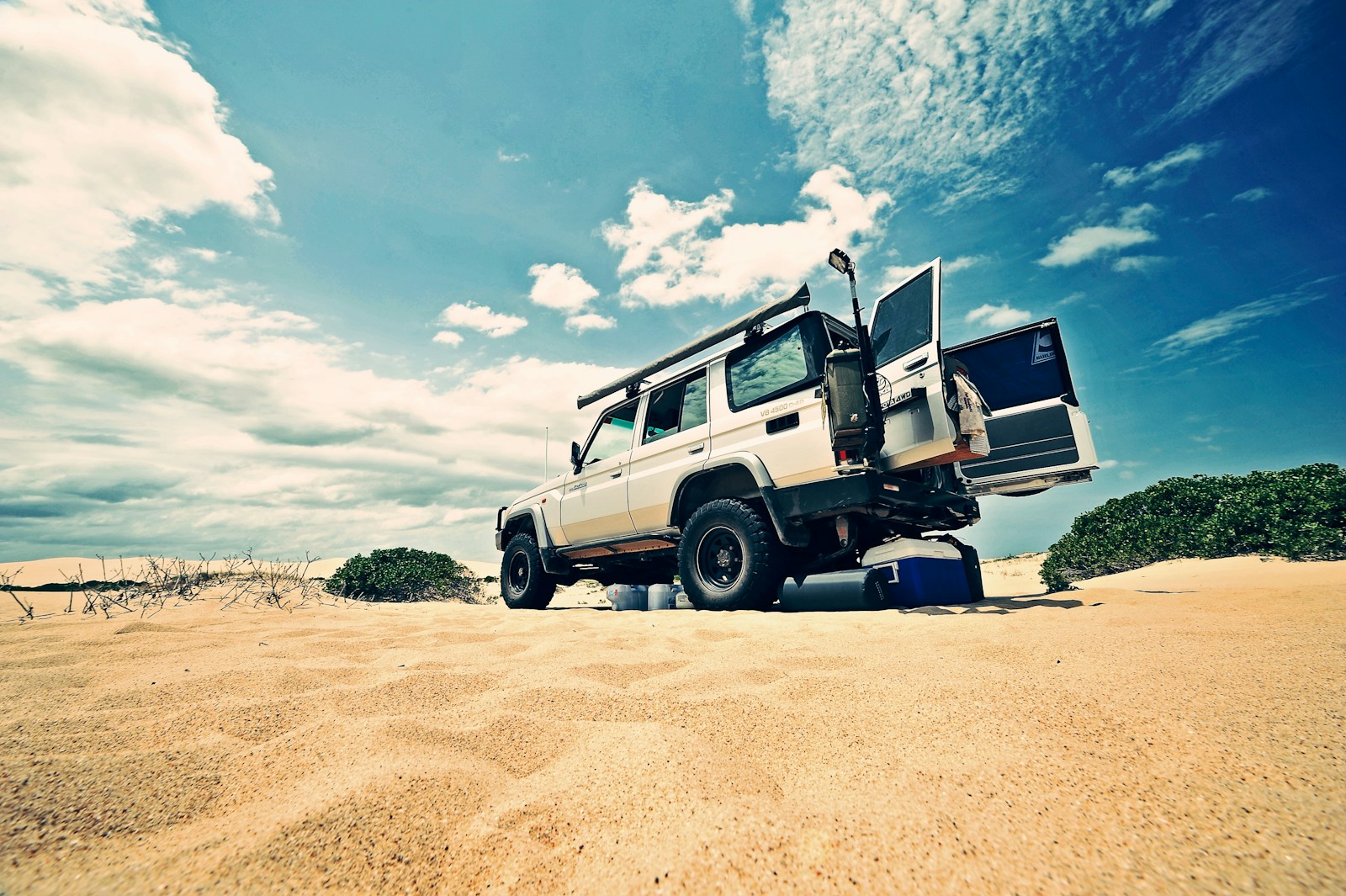
Rotomolded coolers remain the simplest, most reliable, and most cost-effective option for short overland trips. With solid ice management, a good cooler will keep food cold for two to three days, no wiring or power needed.
When a Cooler Makes Sense
- You’re off-grid two to three days max
- You don’t want another battery to manage
- You’re fine dealing with ice, meltwater, and cooler organization
- You’re on a budget or building your kit one piece at a time
How to Make a Cooler Perform Like a Fridge
A well-packed cooler can outperform a cheap powered fridge. Key steps include:
- Pre-chill the cooler overnight
- Use block ice instead of cubed
- Freeze meats ahead of time
- Keep the cooler shaded and closed as much as possible
- Pack it full; air space accelerates warming
Recommended Coolers
These are well-proven within the weekend overlanding and hunting communities:
- RTIC 45 or 52 Ultra-Light
- Great insulation, excellent value, and lighter than rotomolded competitors.
- ORCA 40 or 58 Quart (recently ceased operations, but still avail in some retailers and used)
- USA-made, extremely durable, and excellent ice retention.
- YETI Tundra 45
- Premium price, premium build, and reliable long-term performance.
If you’re only out for 72 hours at a time, a cooler like the ones above is more than enough.
Note: Budget and bag coolers are not mentioned as options here, as these styles are made and marketed for “day trip” travelers, and not really viable for multi-day expeditions.
The Case for a Powered Refrigerator
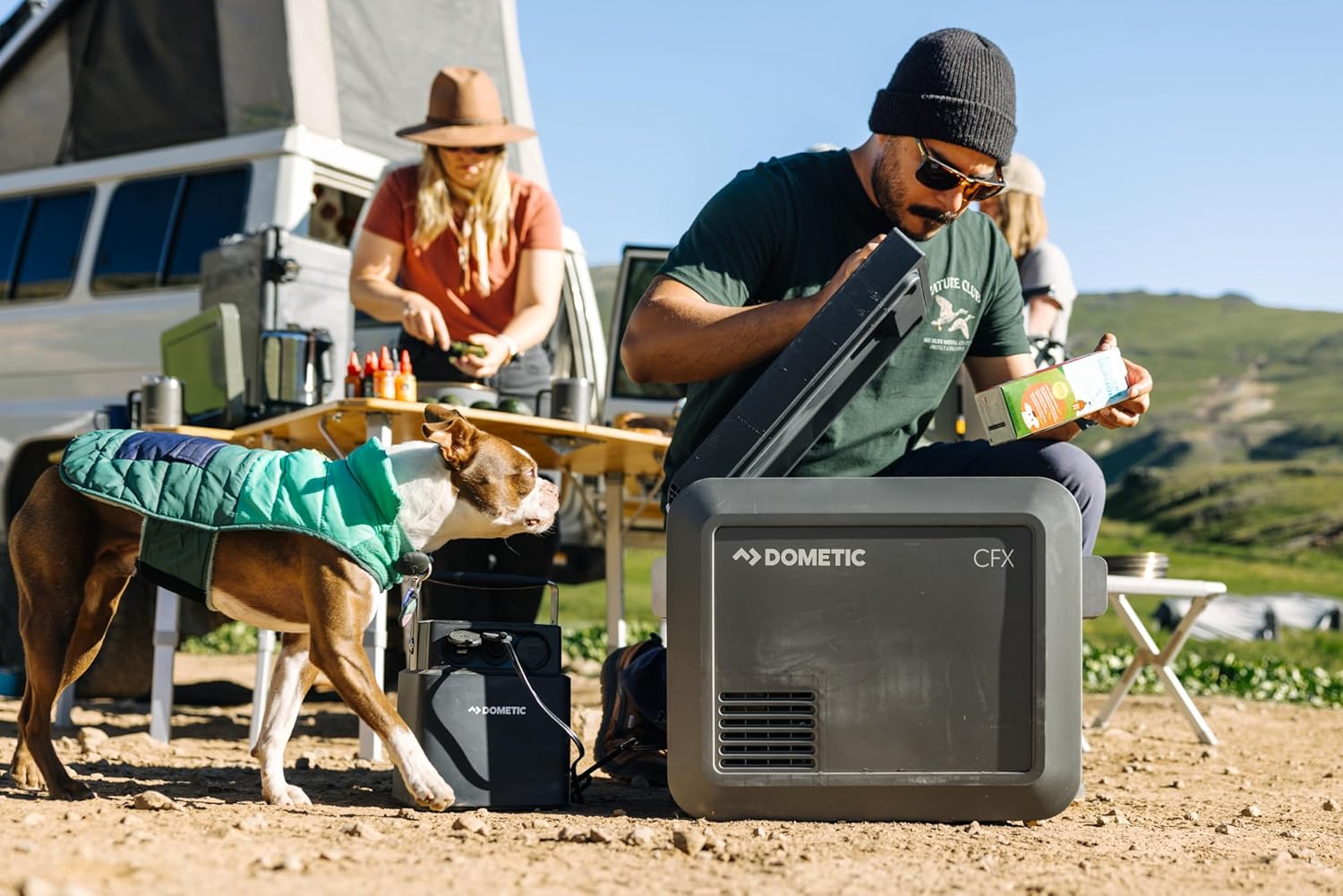
Image courtesy of Dometic. Review and editorial use.
A 12-volt powered fridge is arguably the single greatest comfort upgrade in overlanding. No ice. No meltwater. No food floating in plastic bags. Just consistent temperature and zero maintenance.
When a Fridge Makes Sense
- You want fresh food without babysitting ice
- You take long driving days where the alternator can recharge your power bank
- You plan to grow your kit over time
- You value convenience more than cost
What About Power?
The biggest hesitation people have is assuming a powered fridge means they must install a dual-battery system. For weekend travel, that’s not true. A fridge typically uses 30–45 watts, meaning:
- A 500–700Wh power station will run most fridges for 48–72 hours
- Your vehicle’s alternator can top it off when you’re driving
- No rewiring or permanent install is required
Dual batteries are great for long expeditions. For weekenders, they’re optional.
Recommended Powered Fridges
These units are reliable, efficient, and appropriately sized for 2–3 day outings:
- ICECO VL45
- Danfoss compressor, excellent efficiency, rugged build, and great price for the performance.
- Dometic CFX3 35
- Industry standard, premium components, app control, and outstanding low power draw.
- BougeRV 30–40L
- Budget-friendly and surprisingly capable. Excellent choice for beginners.
- ARB Zero 38L
- Trusted by serious overlanders, with stellar compressor reliability and dual-zone options in larger models.
Read my review: EUHOMEY 26 Qt Plug-In Camp Fridge
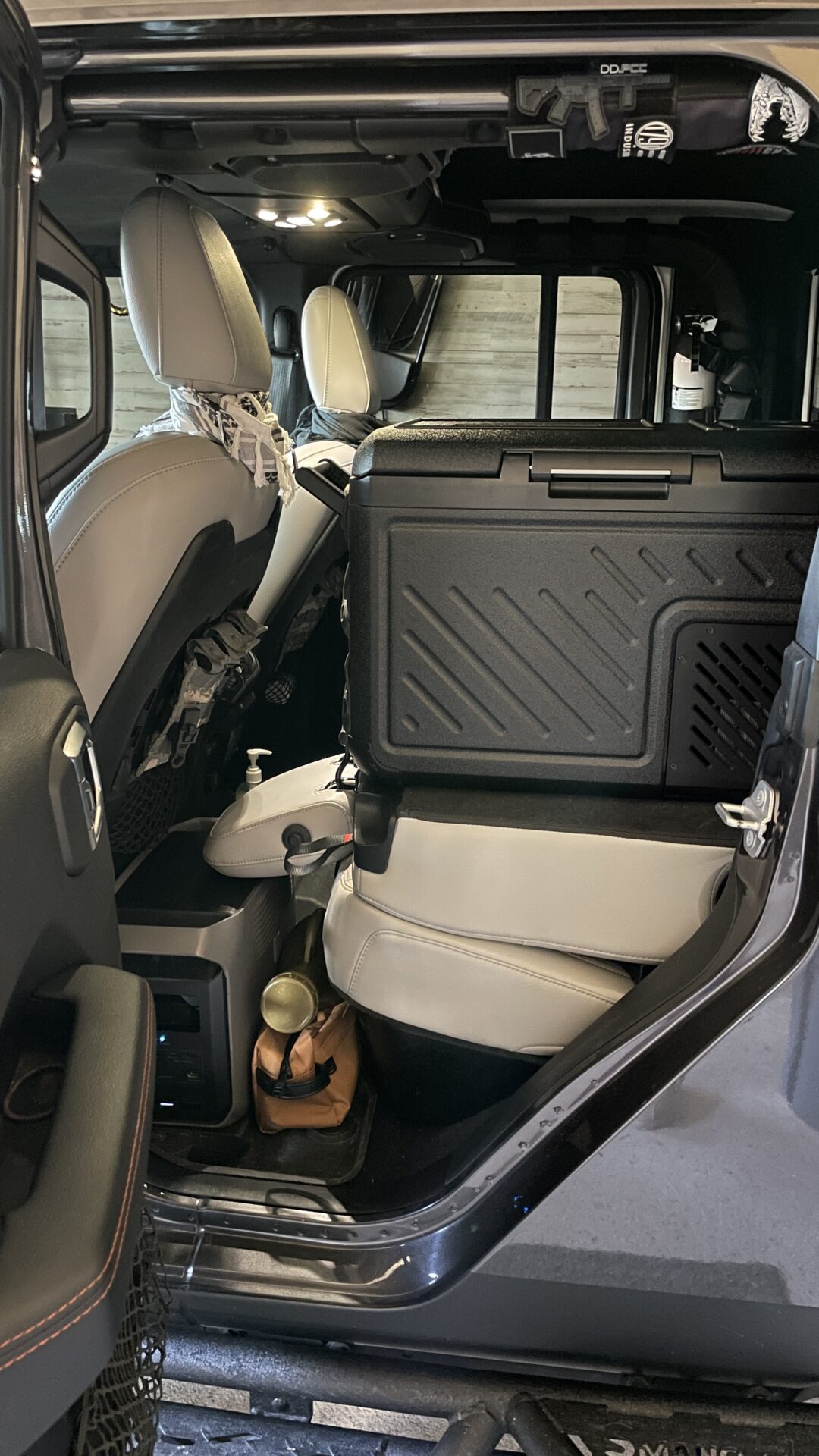
Portable Power Options
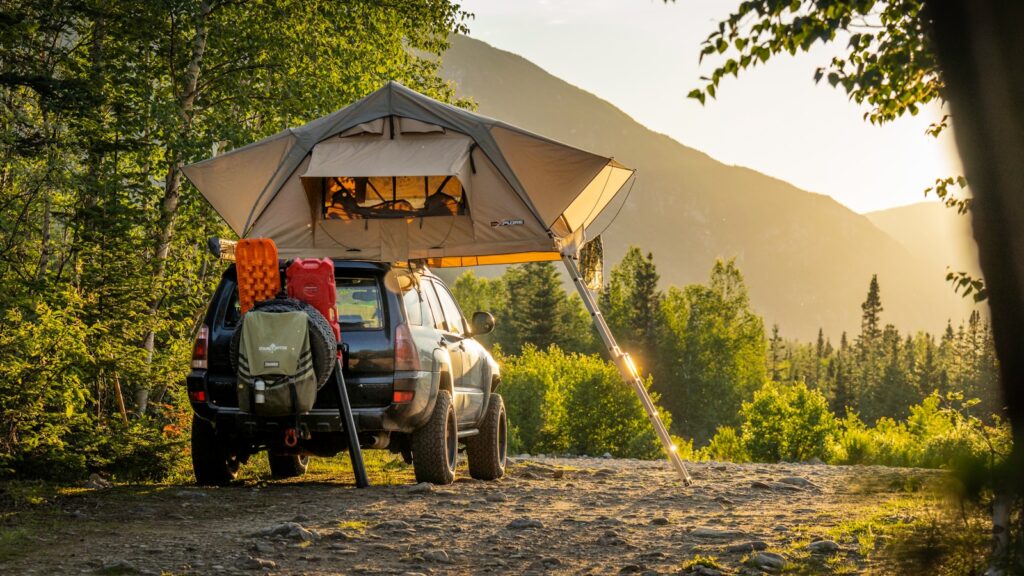
If you’re going the powered fridge route, a solid power bank (portable power station) is the cleanest, simplest solution.
What Size Do You Need?
Look for at least 500Wh, but 700–1000Wh gives more margin and longer runtime.
Recommended Power Stations
- EcoFlow River 2 Max or River Pro
- Fast recharging, high efficiency, and great for alternator or solar top-offs.
- Jackery Explorer 500 or 700
- Simple, dependable, and widely used in the overlanding world.
- Bluetti EB55 or EB70S
- Highly efficient with a long cycle life and built-in MPPT.
Any of these will comfortably power a small fridge for a full weekend without needing solar.
So, Which One Should You Choose?
If your trips are 1–3 days at a time: A high-quality cooler is absolutely sufficient. You can do Ohio to Utah and back and never need a fridge if you manage ice well.
If you want the most convenient, “set it and forget it” experience: A powered fridge plus a 500–700Wh power station is the ideal setup. No melting ice, no food spoilage, no water sloshing around.
If you’re building a long-term overlanding kit: Start with a cooler. Upgrade to a fridge later. Add a power station when you’re ready. The gear can grow with you.
Bottom Line
There’s no wrong choice—only the right choice for how you travel. For short off-grid stints, a cooler remains one of the most effective tools in the overlander’s kit. For convenience, efficiency, and long-term comfort, a powered refrigerator is a game changer.
Just remember: keeping food cold is less about equipment and more about planning and management. Dial that in, and both options work beautifully.
Tread lightly and Gladiator Up! – Doug
Most Viewed Posts
- Jeep Gladiator Tire Guide: Stock Sizes, Upsizing Options, and What You Need to Know
- Best Jeep Gladiator Tire Pressure for MPG & Tire Life
- Jeep Finally Gives the Gladiator a V8: Here’s Why It Matters
- 7 Off-Road Camper Trailers That Pair Perfectly with Your Jeep Gladiator or Wrangler
- The 7 Best BDR Routes for Jeep & 4×4 Overlanders