
Cold Air Intake vs High-Flow Filter in the OEM Airbox: Real-World Performance Compared
Few mods spark more debate than intakes. On one side: shiny aftermarket cold air intakes (CAIs) promising horsepower and sound. On the other: a simple high-flow, lifetime filter dropped into the factory airbox. Both improve airflow—but they do it very differently. Let’s break down performance, cost, drivability, reliability, and value, then land on a clear recommendation.
Option 1: Aftermarket Cold Air Intake (CAI)
What it is
A replacement system that typically removes the factory airbox and replaces it with a freer-flowing intake tube and exposed or semi-enclosed filter—often marketed as pulling “colder” air.
Pros
- Sound & throttle feel: Noticeable intake growl and sharper pedal response.
- Peak airflow potential: At wide-open throttle and higher RPM, airflow can exceed the factory setup.
- Visual appeal: Clean, performance look under the hood.
Cons
- Marginal real-world power: Dyno gains are usually small (often single digits) and most noticeable only at high RPM.
- Heat soak risk: Many CAIs pull warmer under-hood air unless fully sealed.
- Dust & water exposure: Less protection than the factory box—important for dirt roads, rain, and creek crossings.
- Cost: $300–$500+ for limited practical gains.
Best for
Drivers chasing sound, appearance, and top-end performance, primarily on pavement.
Option 2: High-Flow Lifetime Filter in the OEM Airbox
What it is
A drop-in, washable/reusable filter that replaces the paper element but keeps the factory airbox intact.
Pros
- Excellent value: ~$60–$90 one-time cost; washable and reusable.
- Cold air by design: The OEM box already draws from outside the engine bay.
- Factory-level sealing: Better protection from dust, debris, and water.
- Subtle performance bump: Improved airflow over stock with zero downside.
- No tuning, no CELs: Plug-and-play reliability.
Cons
- Minimal sound change: Intake noise stays mostly stock.
- Modest gains: Don’t expect dramatic horsepower numbers.
Best for
Daily drivers, long-distance travelers, and anyone who values reliability and efficiency over noise.
Buy Now: K&M High Flow Lifetime Air Filter (Part# 33-5076) – fits Jeep 2020 – 2025 Jeep Gladiator and Wrangler models – JT, JL, JLU
Side-by-Side Comparison
| Factor | Cold Air Intake | High-Flow Filter (OEM Box) |
|---|---|---|
| Cost | $300–$500+ | $60–$90 |
| HP Gains | Small, high-RPM | Small, usable |
| Intake Sound | Loud / aggressive | Near-stock |
| Heat Management | Varies | Excellent |
| Dust & Water Protection | Moderate | Excellent |
| Maintenance | Clean & re-oil | Clean & re-oil |
| Daily Reliability | Good → Fair | Excellent |
| Value per Dollar | Low | High |
Cost Effectiveness: Where the Money Actually Goes
A CAI can cost 4–6× more than a high-flow filter while delivering similar real-world performance. Unless you’re stacking mods (headers, exhaust, tuning) and spending time at high RPM, the return on investment just isn’t there.
Fuel Economy Considerations
In real-world driving, both a cold air intake and a high-flow lifetime filter may offer modest fuel economy improvements, typically in the range of 0.5–1.5 MPG during steady highway cruising. These gains come from reduced intake restriction and improved airflow efficiency under light engine load. However, stop-and-go driving, aggressive throttle use, added vehicle weight, or aerodynamic modifications often negate any measurable MPG benefit.
Snorkel Considerations
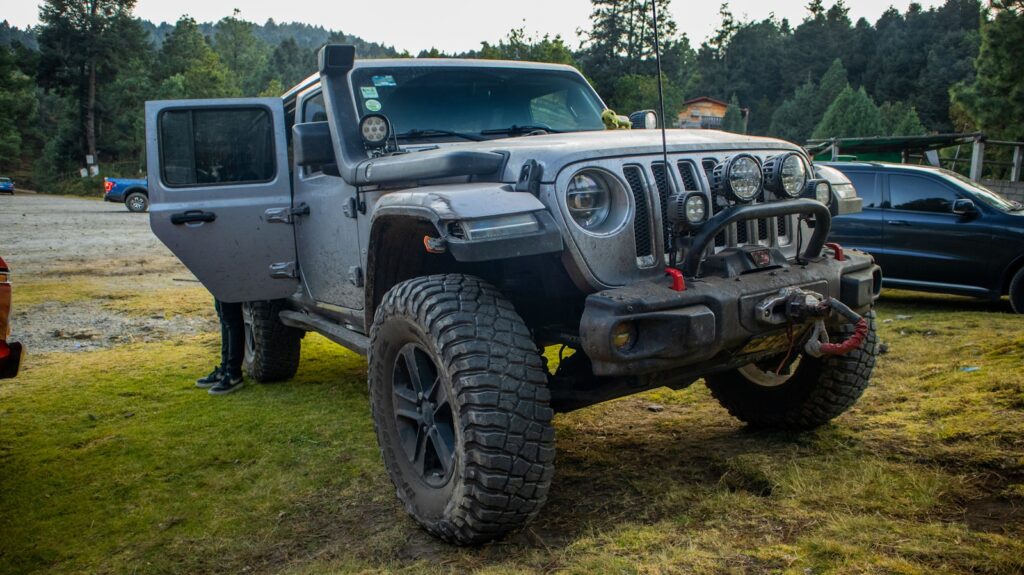
Snorkels are often lumped into the “cold air intake” conversation, but their primary purpose is not performance. They solve a very specific problem — and introduce a few trade-offs worth understanding. Snorkels are often mistaken for performance upgrades, but their true purpose is engine protection rather than power or fuel economy gains. By relocating the intake to roof height, a snorkel draws in cleaner air in dusty environments and significantly reduces the risk of water ingestion during deep crossings. However, snorkels do not meaningfully increase airflow or horsepower and typically have a neutral effect on MPG; in some cases, the added intake length and bends can slightly increase restriction. For best results, a snorkel should be paired with the OEM airbox and a high-flow lifetime filter to preserve factory airflow tuning while maximizing filtration and environmental resilience. In short, a snorkel is a smart risk-management upgrade for dust- and water-heavy travel, not a performance mod.

Final Recommendation (The Short Truth)
For most drivers, especially anyone who mixes highway miles with dirt roads, camping trips, or bad weather:
✔️ Choose a high-flow lifetime filter in the OEM airbox.
You’ll get:
- Better airflow than stock
- True cold-air sourcing
- Superior filtration and sealing
- A one-time purchase that pays for itself
- Zero trade-offs in reliability
Go with a full cold air intake only if you want the sound, the look, and are comfortable trading cost and protection for marginal gains.
Bottom Line
The Jeep factory engineers didn’t miss much. A quality high-flow filter simply lets the OEM system do its job better—quietly, efficiently, and reliably. For real-world driving, it’s the smarter upgrade.
Here’s to the road unpaved! – Doug
Most Viewed Posts
- Jeep Gladiator Tire Guide: Stock Sizes, Upsizing Options, and What You Need to Know
- 7 Off-Road Camper Trailers That Pair Perfectly with Your Jeep Gladiator or Wrangler
- Jeep Finally Gives the Gladiator a V8: Here’s Why It Matters
- 90-Day Review: Char-Broil Bistro Pro Tabletop Gas Grill
- The 7 Best BDR Routes for Jeep & 4×4 Overlanders
Affiliate Disclosure: Some links may be affiliate links, meaning GladiatorUp.com may earn a small commission at no extra cost to you. We only recommend gear we genuinely trust and use.